

If you’re looking for the perfect tomato that bridges the garden and the kitchen, the Amish Paste Tomato is your answer. This cherished heirloom variety is known for its rich flavor, meaty texture, and versatility, from sauces to salads. In this article, we’ll explore why Amish Paste tomatoes deserve a spot in your garden and your next simmering pot of sauce. You’ll learn how to grow them, cook with them, and understand how they differ from common varieties like Roma. Whether you’re new to heirloom seeds or a seasoned tomato grower, this guide has everything you need.
Amish Paste Tomato Origins & Story
Why Amish Paste Tomatoes Hold a Special Place in My Garden
The first time I held an Amish Paste Tomato in my hand, I was in a tiny market tucked between the hills of Umbria. Its plump, slightly pointed shape immediately reminded me of the tomatoes my nonna used to harvest behind her farmhouse. Back then, I didn’t know it by name ,I just knew the smell, that deep, earthy aroma of a tomato that had basked in the sun a little longer than the rest.
Years later, I discovered that this variety, beloved among seed savers and home gardeners, is the Amish Paste Tomato, a true heirloom. Grown originally by the Amish community in Wisconsin in the 19th century, these tomatoes carry more than just flavor; they carry tradition.
They’re incredibly versatile, and if you’re lucky enough to find real Amish Paste Tomato seeds, you’re in for something special. They’re perfect for simmering into a rustic sugo, just like the one I pair with my pistachio pesto pasta for a sweet and savory balance.
With fewer seeds than most, they break down beautifully into sauces and pastes. There’s a quiet magic to peeling the skins off a pot of just-blanched Amish Paste Tomatoes, the soft steam rising like a memory. Every summer, I grow them again, not just for the flavor, but for the connection they give me to my roots.
What Makes the Amish Paste Tomato Unique
Unlike Roma tomatoes, which are shorter and denser, the Amish Paste Tomato grows large, sometimes up to 12 ounces each, and tends to be juicier yet still meaty. They’re ideal for turning into Amish tomato paste, and perfect if you’re into canning or preserving. Their balanced sweetness and low seed count make them a favorite among pasta lovers like me. When I’m making something hearty, like my marry me chicken pasta salad, I often roast a few of these tomatoes just to layer in that slow-cooked depth.
Print
Amish Paste Tomato: 7 Secrets for Epic Flavor & Growth
- Total Time: 4 hrs 10 mins
- Yield: 1.5 cups 1x
- Diet: Vegetarian
Description
A rich, slow-roasted tomato paste made with heirloom Amish Paste Tomatoes, perfect for sauces, pasta, and canning.
Ingredients
4 lbs Amish Paste Tomatoes
2 tbsp olive oil
1 tsp sea salt
1 garlic clove (optional)
Fresh basil leaves (optional)
Instructions
1. Preheat oven to 250°F (120°C).
2. Slice tomatoes in half and place cut-side up on a baking sheet.
3. Drizzle with olive oil and sprinkle with salt.
4. Roast for 4–5 hours until shrunken and caramelized.
5. Transfer to a blender or food processor.
6. Blend into a thick paste.
7. Use immediately or cool and store in jars or freezer cubes.
Notes
For a deeper flavor, add a pinch of sugar before roasting.
Freeze in small portions for easy use in soups, sauces, or as a spread on bread.
Substitute garlic with shallots for a sweeter finish.
- Prep Time: 10 mins
- Cook Time: 4 hrs
- Category: Sauce
- Method: Roasted & Blended
- Cuisine: Italian
Nutrition
- Serving Size: 2 tablespoons
- Calories: 25
- Sugar: 3g
- Sodium: 80mg
- Fat: 2g
- Saturated Fat: 0g
- Unsaturated Fat: 2g
- Trans Fat: 0g
- Carbohydrates: 5g
- Fiber: 1g
- Protein: 1g
- Cholesterol: 0mg
Keywords: Amish paste tomato, tomato paste, homemade tomato sauce

Growing Amish Paste Tomatoes from Seed to Harvest
From Amish Paste Tomato Seeds to Lush Vines
Growing Amish Paste Tomatoes is like raising a flavor-packed gift from the soil. Whether you’re working with a raised bed or a container on your balcony, starting from Amish paste tomato seeds offers a level of satisfaction that store-bought plants just can’t match.
I always begin indoors, about 6 to 8 weeks before the last frost. These seeds germinate well with a little warmth and patience. I place mine near a sunny window or under a grow light, using heirloom Amish seeds from a trusted source ensures strong plants with that nostalgic, full-bodied flavor.
Once they’re a few inches tall and the threat of frost is gone, I harden them off and plant them deep, burying the stem to encourage stronger roots. These plants reward you with tall, vigorous vines, and if you feed them compost-rich soil and a consistent watering schedule, they’ll flourish. I still remember the joy on a student’s face at one of my pasta workshops when I sent her home with a small pot of Amish Paste Tomato seedlings, two months later, she emailed me a photo of the vines climbing up her trellis, already dotted with fruit.
To inspire your harvest dreams, consider pairing your tomato bounty with a fresh and comforting dish like my Meghan Markle’s One Pot Pasta. It’s simple, rustic, and beautifully showcases the tomato’s deep flavor.
Do Amish Paste Tomatoes Need a Trellis?
Yes, they’re indeterminate. That means these Amish Paste Tomatoes keep growing and producing until frost, often reaching over 6 feet in height. Unlike bushy, determinate varieties, they need support. I recommend using a sturdy tomato cage or building a simple trellis. Regular pruning of side shoots helps the plant channel its energy into fruit rather than leafy chaos. If you’re wondering, Amish Paste Tomato is most definitely indeterminate, and it thrives when you give it space to stretch and climb.
Kitchen Magic with Amish Paste Tomatoes
Perfect for Homemade Amish Tomato Paste & Sauces
If you’ve ever simmered a sauce so slowly the aroma seeped into your walls, you already understand why the Amish Paste Tomato is such a treasure in the kitchen. Unlike watery hybrids, these tomatoes are dense and rich, ideal for homemade Amish tomato paste that bursts with umami.
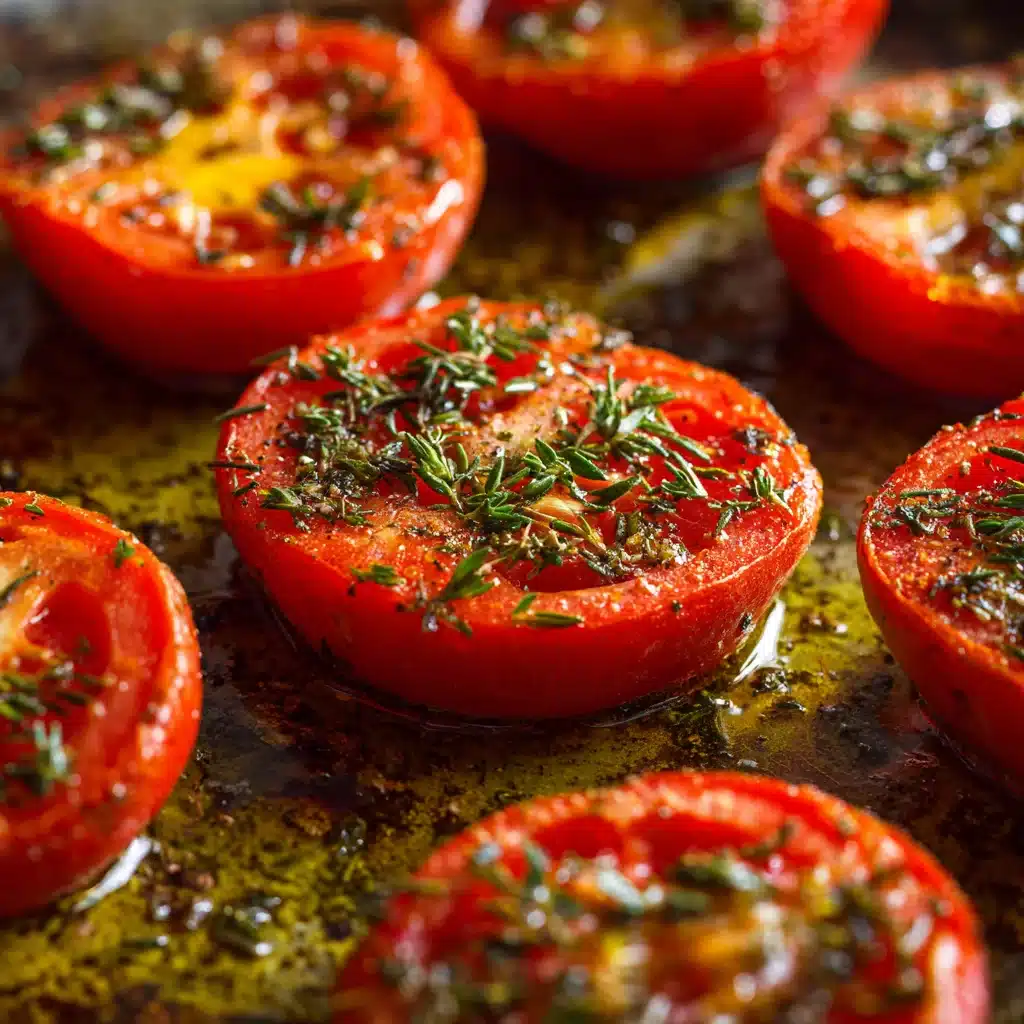
When I make paste, I roast the halved tomatoes low and slow, about 250°F for 4–5 hours. This technique draws out moisture and concentrates flavor. Then I blend them with a bit of sea salt and olive oil before freezing them in cubes. One of those cubes in a winter ragù brings the sun-drenched garden right back to your plate.
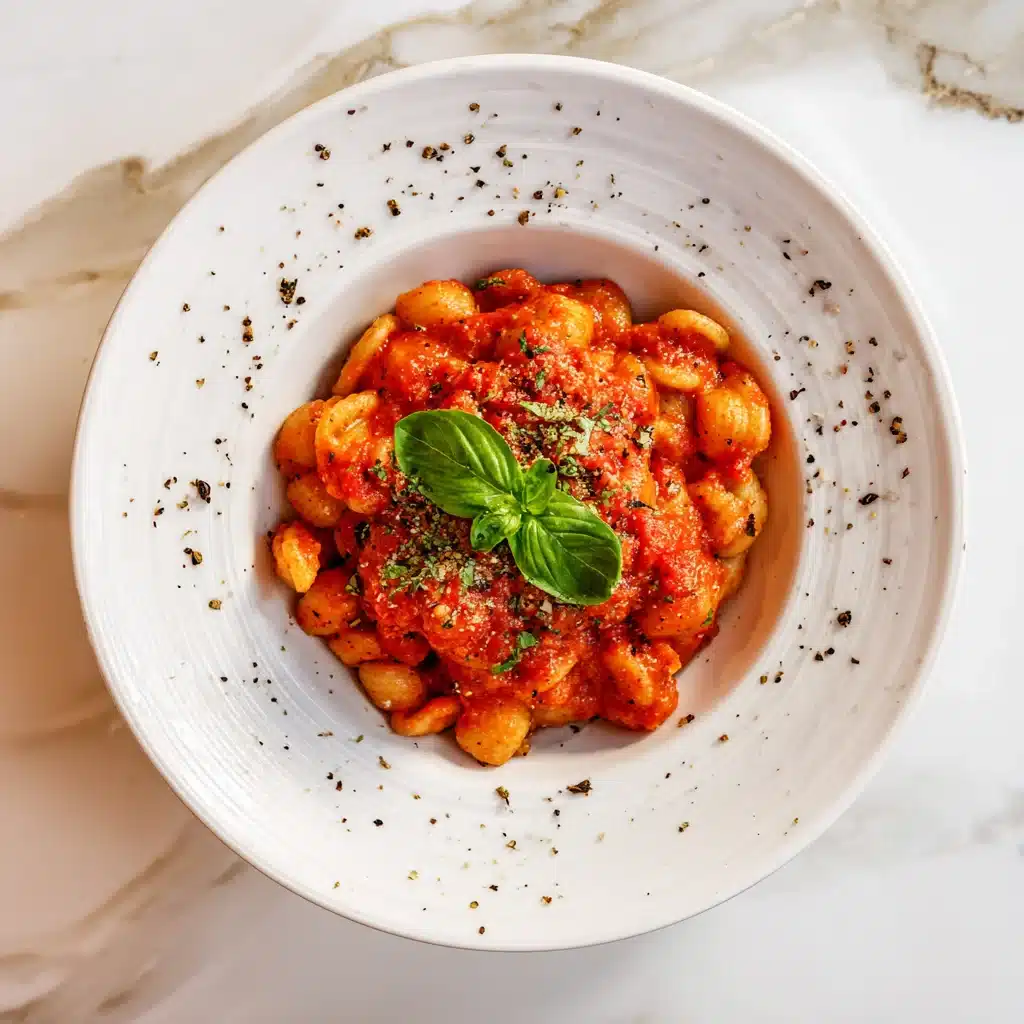
This heirloom’s low seed count makes the process faster, with less need for straining. That’s what makes them a favorite in my own sauces and in recipes like my ditalini pasta, where just a spoonful of tomato paste turns broth into velvet.
If you’re planning a season of preserving, you’ll be amazed at how this variety transforms into paste, purée, or thick, rustic sugo. It’s pasta’s best friend.
Fresh Recipes That Showcase Their Flavor
Don’t limit the Amish Paste Tomato to sauces alone. Their slightly sweet, meaty flesh is excellent fresh, especially when they’re just picked and still warm from the sun. I love chopping them into cubes, drizzling with good olive oil, and tossing with basil for a quick tomato salad. Their texture holds up without turning mushy.
When I want something with a twist, I’ll pair them with something nutty, like in this pistachio pesto pasta. The acidity of the tomato perfectly balances the creamy pesto, creating a dish that’s vibrant and layered. From summer caprese to sun-dried tomato prep, these tomatoes adapt to nearly every fresh recipe you can dream up.
Troubleshooting & FAQs About Amish Paste Tomatoes
How Tall Do Amish Paste Tomatoes Get?
You might be surprised just how ambitious these plants can be. A healthy Amish Paste Tomato vine will easily reach 5 to 7 feet tall, especially when grown in nutrient-rich soil with good sun. Because they’re indeterminate, they’ll continue growing and producing fruit right up until the first frost.
I always tell my students: treat them like climbers. Give them support and regular pruning, and you’ll be rewarded with heavy, juicy fruit all season long. If space is limited, try training them vertically on a trellis or string system. Last season, I grew mine alongside basil and marigolds to help deter pests, an old trick my nonna swore by.
These tomatoes are happiest when they can breathe, so space your plants at least 24–36 inches apart. For a great complementary dish that won’t compete for garden space, try my marry me chicken pasta salad, it’s quick, flavorful, and lets the tomatoes shine when added fresh.
Amish Paste Tomato: Best For What?
So, what exactly are Amish Paste Tomatoes best for? In a word: everything. But especially sauces, tomato paste, roasting, and canning. Their rich, low-moisture flesh makes them ideal for slow-simmered recipes, where flavor matters most.
To help you compare, here’s a quick guide:| Tomato Type | Best Uses | Texture |
|---|---|---|
| Amish Paste | Sauces, paste, roasting, fresh salads | Meaty, low-seed, slightly juicy |
| Roma | Canning, paste | Firm, dry |
| San Marzano | Gourmet sauces, stews | Dense, rich |
Whether you’re new to heirloom varieties or looking to elevate your sauce game, Amish Paste Tomatoes are a garden staple you’ll grow, and cook with, again and again.
Conclusion
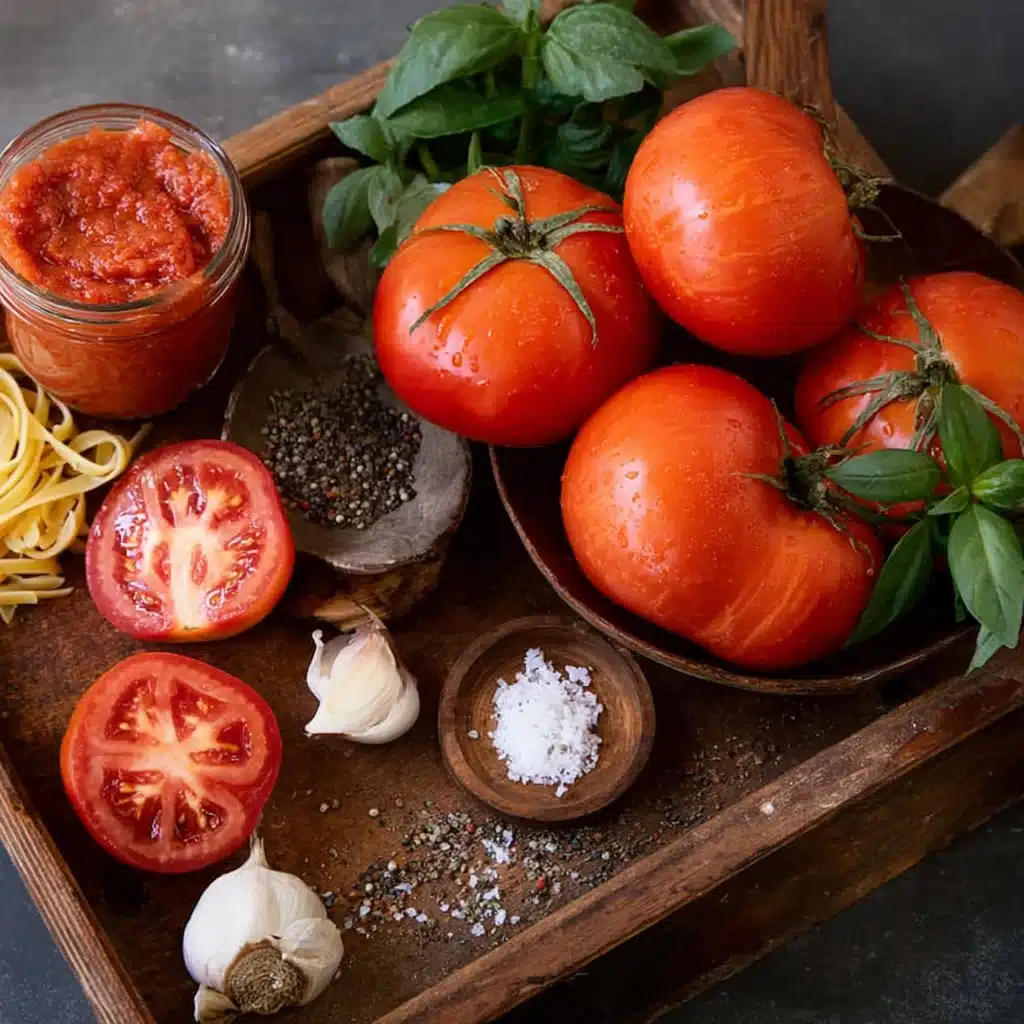
Every summer, I return to Amish Paste Tomatoes like a trusted old friend. They carry flavor, history, and a quiet resilience, much like the recipes passed down through generations in my family. Whether I’m teaching a beginner how to seed-start or serving a bowl of silky tomato sugo over handmade tagliatelle, this tomato remains a constant. Grow them once, and you’ll understand why they’ve stood the test of time in both garden and kitchen. If you’re ready to explore more flavor-rich ideas, head to lavender-hawk-579170.hostingersite.com and let the season’s best inspire your next dish.
Frequently Asked Questions
What are Amish Paste tomatoes best for?
Amish Paste tomatoes are best for sauces, tomato paste, canning, and roasting. Their meaty flesh and low seed content make them ideal for slow cooking or thickening recipes without excessive moisture.
Are Amish Paste tomatoes the same as Roma?
No, they’re not the same. While both are paste-type tomatoes, Amish Paste tomatoes are larger, juicier, and slightly sweeter than Roma. They also have an indeterminate growth habit, meaning they’ll keep producing until frost.
How tall do Amish Paste tomatoes get?
These vigorous growers can reach 5 to 7 feet or more with proper care. Because they’re indeterminate, they’ll keep climbing and producing, so they do require support like a trellis or tomato cage.
Do Amish Paste tomatoes need a trellis?
Yes, absolutely. Since Amish Paste tomatoes are indeterminate, they’ll grow long vines and need a sturdy trellis or cage to stay upright and productive throughout the growing season.